
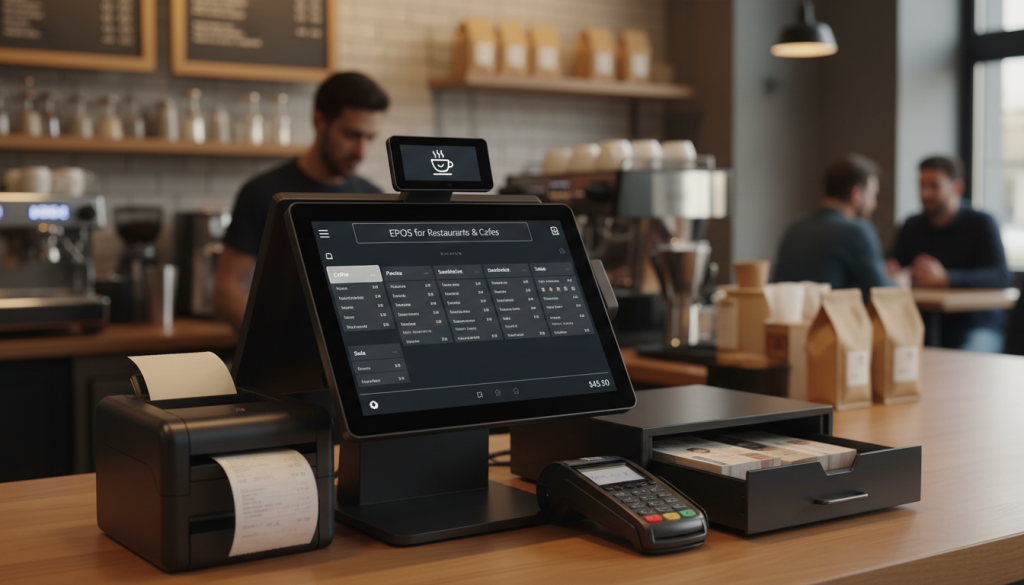
In the fast-paced world of the UK hospitality industry, the margin between a successful evening and a chaotic one often comes down to the efficiency of the backend systems. For years, restaurant owners viewed their till as a simple necessity—a place to store cash and print receipts. However, the landscape has shifted. Today, the implementation of a robust epos for restaurant is no longer just an IT upgrade; it is a strategic move that dictates the flow of service, the accuracy of the kitchen, and the ultimate satisfaction of the guest.
The Evolution of Service Efficiency
The primary goal of any front-of-house team is to provide a seamless experience. When a server is bogged down by manual processes or a clunky, outdated interface, the guest experience suffers. A modern epos for restaurant solves this by acting as a high-speed communication bridge.
When an order is placed, it shouldn’t just exist on a piece of paper. It needs to be instantly transmitted to kitchen display systems or receipt printers in the correct section of the kitchen. This instantaneous transfer of information reduces the “lag time” between a customer ordering and their meal being prepared. In a high-volume environment, saving even sixty seconds per table can lead to an extra table turn per night, directly impacting the bottom line.
Streamlining the Kitchen and Bar Workflow
Beyond the dining room, the impact of a high-quality epos for restaurant is felt most acutely in the kitchen. Precision is the enemy of chaos. By utilizing digital ordering, chefs receive clear, legible instructions. Modifiers—such as “no gluten,” “extra spice,” or “dressing on the side”—are highlighted, significantly reducing the risk of human error.
Furthermore, these systems allow for better inventory management. When the last portion of the “catch of the day” is sold, the system can automatically “86” the item across all terminals. This prevents the awkward situation where a server takes an order for a dish that is no longer available, maintaining the professional standard that diners expect.
Data: The Secret Ingredient to Profitability
One of the most human elements of running a business is the intuition an owner has about their best-selling dishes. However, intuition can sometimes be misleading. A professional epos for restaurant provides the hard data needed to back up those gut feelings.
Through detailed reporting, owners can identify their “star” dishes—those that are both popular and high-margin—and their “plowhorses”—items that sell well but cost too much to produce. This level of insight allows for “menu engineering,” where the layout and pricing of a menu are adjusted based on real-world performance data. It turns a static list of food into a dynamic tool for profitability.
Enhancing the Employee Experience
We often talk about the guest, but the “human touch” in a restaurant comes from the staff. A frustrated waiter or a stressed bartender cannot provide top-tier service. By providing the team with an intuitive epos for restaurant, management reduces the cognitive load on their employees.
Modern interfaces are designed to be user-friendly, requiring minimal training for new starters. When the technology works reliably, staff can focus on what they do best: hospitality. Features like easy bill splitting, integrated card payments, and floor plan management mean that the technical side of the job becomes second nature, allowing the personality of the restaurant to shine through.
Future-Proofing for an Integrated World
The modern diner interacts with a restaurant in multiple ways—through delivery apps, online booking platforms, and in-person visits. A sophisticated epos for restaurant acts as a central hub for all these channels. Instead of having five different tablets buzzing for different delivery services, an integrated system pulls all orders into one place.
This consolidation is vital for maintaining a calm atmosphere. It ensures that the kitchen isn’t overwhelmed by “invisible” orders from the web while they are trying to serve the guests sitting right in front of them.
Conclusion
In conclusion, the decision to invest in a high-spec epos for restaurant is a decision to invest in the future of the brand. It is about creating a workspace where efficiency meets excellence. By streamlining the “boring” parts of the business—the transactions, the inventory tracking, and the reporting—owners free up the time and energy needed to focus on the art of food and the joy of service.
In the current economic climate, where efficiency is paramount, the right technology isn’t just a luxury; it is the foundation upon which great restaurants are built.
