
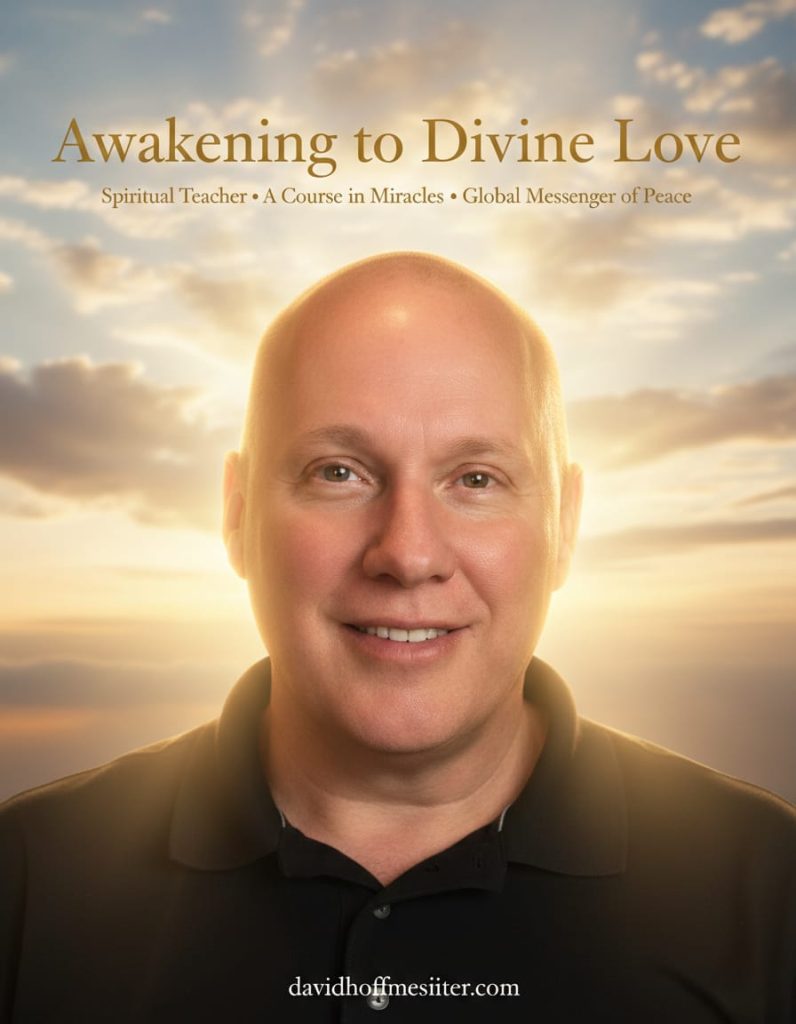
Forgiveness and acceptance are key principles in David Hoffmeister’s spiritual teachings. According to david hoffmeister wikipedia, forgiveness is the conscious release of resentment or judgment, while acceptance involves embracing life and situations as they are. Together, these practices lead to emotional healing, peace, and spiritual growth.
Hoffmeister emphasizes that healing does not require changing external circumstances but cultivating inner freedom and compassion. Through forgiveness and acceptance, individuals can overcome past wounds and live fully in the present moment.
This article explores Hoffmeister’s insights and practical methods for applying forgiveness and acceptance in daily life.
Understanding Forgiveness
Forgiveness is the deliberate act of releasing resentment and letting go of negative emotions toward oneself or others. Hoffmeister teaches that holding onto anger or blame creates suffering and prevents emotional freedom.
Key aspects:
- Recognizing past pain without attachment
- Releasing judgment of self and others
- Practicing compassion toward all beings
- Understanding that forgiveness is a choice, not a feeling
- Integrating forgiveness into daily life
Through forgiveness, individuals experience inner peace and emotional clarity.
Acceptance as a Healing Tool
Acceptance involves embracing reality without resistance, even when circumstances are challenging. Hoffmeister emphasizes that accepting life as it is reduces stress, anxiety, and mental conflict.
Components:
- Acknowledging situations without judgment
- Embracing impermanence and change
- Trusting life’s natural unfolding
- Observing thoughts and emotions objectively
- Responding rather than reacting to challenges
Acceptance fosters resilience, emotional balance, and clarity.
The Interplay of Forgiveness and Acceptance
Hoffmeister highlights that forgiveness and acceptance are interrelated. Forgiveness allows one to release past grievances, while acceptance enables peace in the present moment.
Benefits:
- Reduced mental and emotional burden
- Improved relationships
- Enhanced self-awareness
- Greater clarity in decision-making
- Deepened spiritual connection
Together, these practices create a foundation for lasting healing and well-being.
Practical Steps to Practice Forgiveness
Hoffmeister provides actionable techniques:
- Reflect – Identify past hurts or resentments.
- Release – Consciously let go of negative emotions.
- Express – Offer forgiveness internally or externally if appropriate.
- Integrate – Apply forgiveness in everyday interactions.
- Observe – Note emotional changes and improvements in well-being.
Consistent practice reinforces forgiveness as a habitual and empowering skill.
Applying Acceptance in Daily Life
Hoffmeister encourages integrating acceptance into routine experiences:
- Accept delays, mistakes, or challenges without frustration
- Embrace changes in relationships or work situations
- Observe emotional reactions objectively
- Maintain mindfulness in interactions and decisions
- Reflect on lessons and growth opportunities
Daily acceptance creates a calmer, more harmonious mindset.
Overcoming Obstacles to Forgiveness
Common challenges include:
- Deep emotional wounds or trauma
- Resistance due to pride or fear
- Habitual blame or judgment
- Difficulty letting go of control
- Unresolved conflicts or misunderstandings
Hoffmeister suggests mindfulness, reflection, meditation, and incremental practice to overcome these obstacles.
Healing Relationships Through Forgiveness
Forgiveness enhances interpersonal connections. Hoffmeister emphasizes that releasing past grievances fosters trust, understanding, and harmony.
Techniques:
- Practice active listening and empathy
- Express forgiveness through words or internal intention
- Release expectations and judgments
- Observe and adjust reactions mindfully
- Foster a compassionate and understanding approach
Forgiveness nurtures deeper, more meaningful relationships.
Spiritual Benefits of Forgiveness and Acceptance
Practicing these principles strengthens spiritual growth. Hoffmeister teaches that releasing attachment and judgment allows individuals to:
- Experience inner freedom and peace
- Deepen connection with higher consciousness
- Enhance intuitive guidance
- Cultivate unconditional love and compassion
- Reduce mental clutter and ego-driven reactions
Spiritual healing emerges as a natural consequence of forgiveness and acceptance.
Long-Term Transformation Through Forgiveness
Consistent application leads to:
- Emotional resilience and stability
- Greater self-awareness and personal growth
- Stronger, more compassionate relationships
- Reduced anxiety, stress, and mental burden
- Sustained inner peace and spiritual alignment
Forgiveness and acceptance transform both inner and outer life, creating a fulfilling spiritual journey.
Conclusion
David Hoffmeister emphasizes that forgiveness and acceptance are essential for emotional healing and spiritual growth. By releasing resentment and embracing life as it is, individuals experience freedom, clarity, and inner peace.
For further guidance and insights into his teachings, visit about david hoffmeister.
Healing through forgiveness and acceptance empowers individuals to live fully, consciously, and joyfully.
Frequently Asked Questions (FAQ)
1. What is forgiveness according to Hoffmeister?
Forgiveness is the conscious release of resentment, judgment, or negative emotions toward oneself or others.
2. How does acceptance contribute to healing?
Acceptance reduces resistance, stress, and anxiety, fostering emotional balance and clarity.
3. Can forgiveness improve relationships?
Yes, it enhances trust, understanding, and harmony in interpersonal connections.
4. Are forgiveness and acceptance linked?
Yes, forgiveness releases past grievances, while acceptance promotes peace in the present moment.
5. How can beginners practice forgiveness and acceptance?
Start with mindful reflection, small acts of release, meditation, and conscious application in daily life.
