
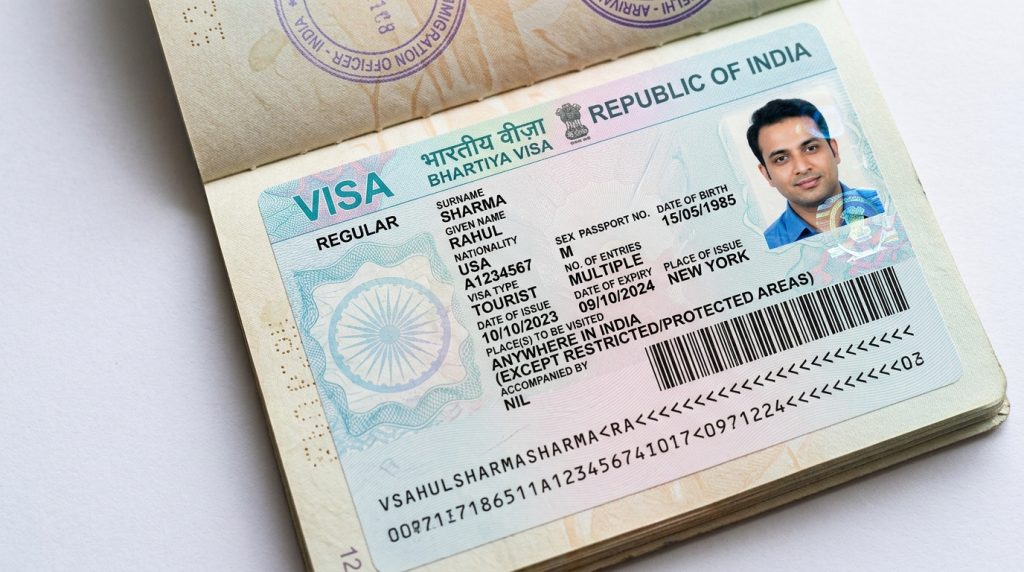
India is a land of incredible diversity, offering everything from the architectural majesty of the Taj Mahal to the serene backwaters of Kerala and the bustling energy of Mumbai. As we look toward travel plans in 2026, the process for visiting this vibrant nation has become more digitized and efficient, ensuring that your focus can remain on your itinerary rather than administrative hurdles.
Simplifying the Application Process
For international travelers, the Government of India has modernized its visa framework to favor digital efficiency. Whether you are planning a short-term recreational trip, a business meeting, or a medical visit, the electronic visa (e-Visa) system is the primary gateway for most visitors. This fully online platform is designed to be accessible, user-friendly, and secure.
If you are just beginning your research, understanding HOW TO APPLY INDIAN VISA ONLINE is your first step. By utilizing the official government portal, you can complete the entire application, upload your documents, and pay the required fees without ever needing to step into an embassy or consulate. This system is perfect for those whose travel goals—such as tourism, business, or short-term yoga programs—fall under the e-Visa categories. The key to success is ensuring that your digital photograph is high-quality and that your passport scan is perfectly legible, as minor errors are the most common cause of processing delays.
Special Considerations for American Travelers
For those holding a U.S. passport, the pathway to India is well-trodden and supported by a robust bilateral travel framework. Because of the high volume of travel between the two nations, there are specific resources tailored to help you navigate the system effectively.
When preparing your journey, it is helpful to consult a specialized guide regarding an INDIAN VISA FOR AMERICAN CITIZENS. This resource can clarify which sub-categories of e-Visas—such as the e-Tourist (30-day, 1-year, or 5-year) or e-Business options—best fit your specific travel objectives. A critical detail to remember for 2026 is the recently introduced digital arrival system: all foreign travelers are now encouraged to fill out an electronic arrival form within 72 hours before landing in India. This new measure is separate from your visa application and is designed to streamline your entry at the airport.
Essential Tips for a Seamless Trip
- Passport Validity: Always ensure your passport is valid for at least six months beyond your date of entry and contains at least two blank pages for official immigration stamps.
- Official Portals Only: Be cautious of third-party websites that mirror the look of official government sites. Always conduct your business through the official
indianvisaonline.gov.indomain. - Plan Your Buffer: Even though e-Visa processing can be remarkably fast, it is professional practice to submit your application at least four to seven days before your departure. This provides you with the necessary breathing room to address any unexpected administrative queries.
- Digital Documentation: Keep copies of your granted e-Visa and your electronic arrival form saved on your phone and as a printed backup in your carry-on luggage.
- Stay Updated: Immigration policies can shift based on diplomatic relations or public health guidelines. Check the official Indian Embassy website in your home region shortly before you finalize your flight bookings.
By handling these administrative requirements with care and foresight, you clear the path for a truly rewarding experience. Whether you are traveling for a long-awaited vacation or a professional venture, taking these steps early ensures that your arrival in India is as stress-free and exciting as the journey that awaits you.
