
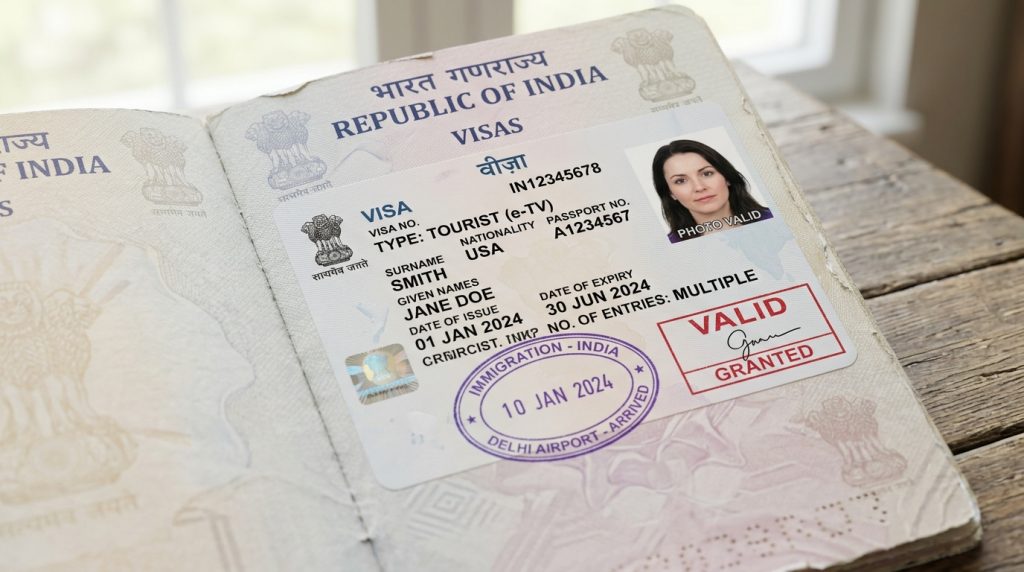
Whether you are planning an extended exploration of cultural landmarks or facing an unexpected, time-sensitive situation, understanding India’s immigration pathways is essential. India attracts millions of international visitors annually for tourism, business, family reunions, and medical care. To accommodate these diverse needs, the Indian government offers highly specific electronic entry options. Selecting the correct travel authorization ensures a smooth, legal, and stress-free entry at the border.
Simplified Long-Term Travel Planning
For frequent travelers, families with roots in India, and dedicated explorers, short-term visas can feel restrictive. Applying for multiple entry permits for consecutive annual trips creates unnecessary paperwork and recurring expenses. Recognizing this, the electronic application system provides extended options for those who view India as a recurring destination.
If you plan to visit the country multiple times over a prolonged period for leisure, sightseeing, or visiting friends and relatives, securing a FIVE YEAR INDIAN VISA is the most efficient choice.
This long-term electronic authorization allows eligible foreign nationals to enter the country multiple times over a five-year validity window. Instead of repeating the digital application process before every single trip, travelers can simply book a flight whenever the opportunity arises. However, it is important to remember that stay limits apply to each individual visit. Depending on your nationality, continuous stays generally max out at either 90 or 180 days per entry. This balance provides incredible travel flexibility while ensuring compliance with local immigration frameworks.
Handling Unforeseen Final Destinations
While long-term planning is ideal, life often presents sudden realities that require immediate action. When a sudden crisis occurs—such as the severe illness or unexpected passing of a loved one residing in India—the standard visa processing timelines of a few business days are simply too long. In these high-pressure scenarios, standard tourist applications are bypassed in favor of fast-tracked channels.
For genuine crises that demand a rapid response, travelers must apply for an URGENT EMERGENCY INDIAN VISA.
This critical fast-track system is specifically prioritized by immigration authorities to process applications within 24 to 48 hours, operating even on weekends and holidays for qualifying situations. Because this channel is reserved exclusively for humanitarian emergencies, applicants are required to provide official documentation verifying the crisis, such as a medical certificate, hospital letter, or death notice. It is vital to note that generic business trips, casual tourism, or forgotten travel deadlines do not qualify for emergency processing, as the system is strictly dedicated to assisting individuals in distress.
Key Operational Rules for Modern Travel
Regardless of whether you are traveling for a long-planned holiday or an unexpected family emergency, basic digital protocol remains identical. All applicants must hold a passport with at least six months of validity remaining from their date of arrival, along with two blank pages for official physical stamps. Additionally, digital passport photos and document scans must meet strict clarity guidelines to avoid automated system rejections.
Once your electronic authorization is delivered to your email, printing a physical copy to keep inside your travel documents is standard practice. Having a hard copy ready alongside your passport ensures rapid clearance through designated international airports and seaports, safely connecting you to your final destination in India.
