
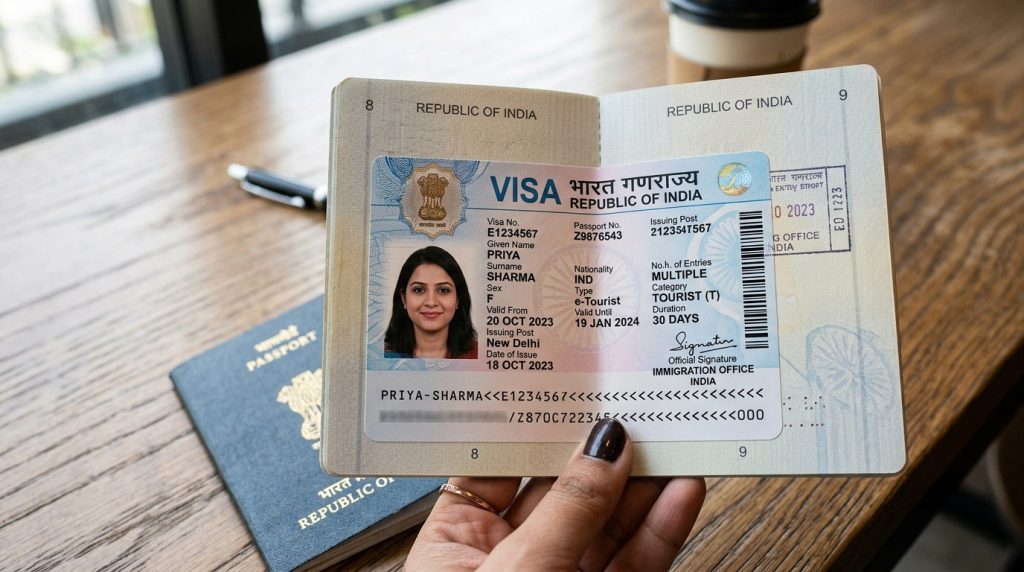
India remains one of the world’s most profound travel destinations, offering a sensory journey that stays with a visitor for a lifetime. It is a land of striking contradictions—where high-tech urban centers like Bangalore thrive alongside ancient temples that have stood for millennia. From the golden triangles of the north to the tranquil, palm-fringed canals of the south, India invites the global community to experience its unique “unity in diversity.” As we move through 2026, the process of visiting this vibrant nation has been revolutionized by digital innovation, making the gateway to the East more accessible than ever before.
A New Era of Digital Travel
The introduction and continuous refinement of the Indian e-Visa system have fundamentally changed international tourism. By moving the application process from crowded embassy hallways to a streamlined online portal, the Indian government has prioritized convenience and speed. This digital transformation allows travelers to secure their entry permissions in just a few clicks, ensuring that the focus remains on the adventure ahead rather than administrative logistics.
The connection between Central Asia and India has deep historical roots, and today, those ties are being strengthened through tourism. For travelers departing from the majestic mountains of Bishkek or the Silk Road valleys, obtaining an INDIAN VISA FOR KYRGYZSTANI CITIZENS is now a straightforward electronic process. This authorization allows for various purposes of travel, from exploring the spiritual ashrams of Rishikesh to engaging in business ventures in the capital city of New Delhi.
Connecting Southeast Asia to the Heart of India
The cultural exchange between Southeast Asia and the Indian subcontinent is equally vibrant. Shared spiritual traditions, particularly the ancient links of Buddhism and Hinduism, draw thousands of travelers every year to explore India’s historical landmarks. Whether it is a pilgrimage to Bodh Gaya or a leisure trip to see the architectural marvels of Rajasthan, the proximity and historical affinity between these regions make India a preferred destination.
To support this cultural bridge, the electronic portal has been made highly inclusive for neighboring nations. Securing an INDIAN VISA FOR LAOS CITIZENS involves a user-friendly application where travelers provide basic passport details and a digital photograph. Once approved, the visa is sent via email, allowing visitors to land at designated international airports across India. This ease of entry ensures that travelers from the banks of the Mekong can effortlessly find themselves on the banks of the Ganges.
Essential Tips for the Modern Explorer
While the entry process is high-tech, successful travel in India requires a bit of local knowledge. The best time to visit is typically from October to March, when the weather is mild enough to enjoy outdoor monuments and desert safaris. Travelers should always ensure their passport has at least six months of validity remaining from the date of arrival.
Additionally, while the e-Visa is verified digitally at the border, keeping a printed copy in your travel bag is a wise precaution for hotel check-ins and internal transit. By embracing the efficiency of modern entry systems, you can step into a world of spicy aromas, vibrant festivals, and timeless hospitality. India is no longer a distant dream—it is a digital-ready reality waiting for you to explore.
